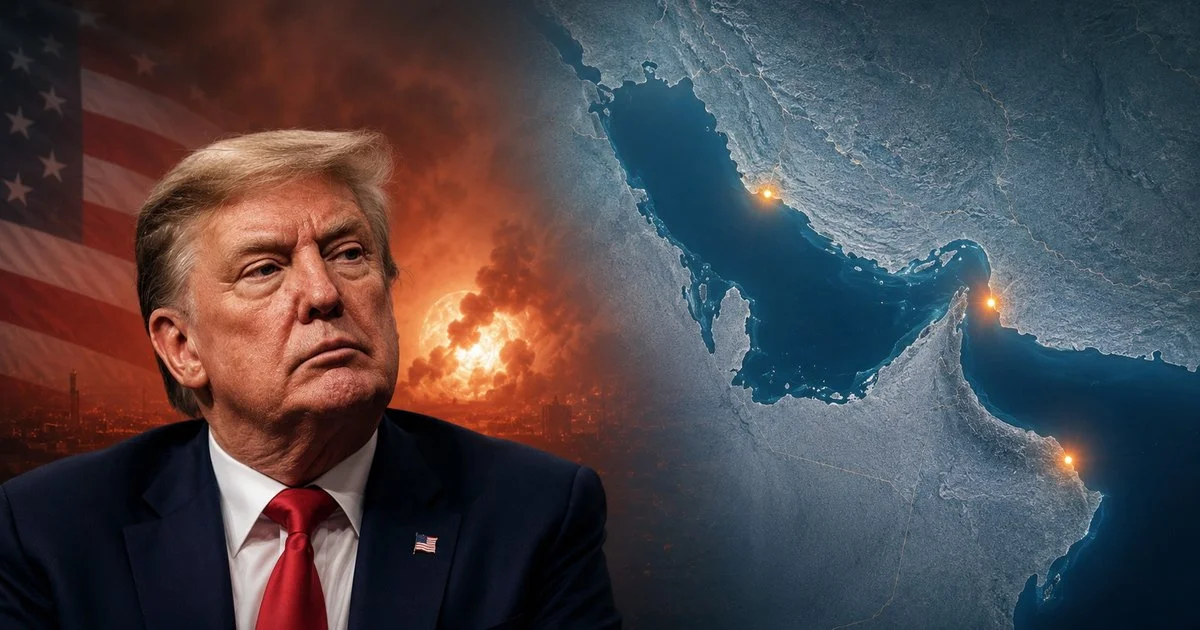
US-Iran Weekend Update: Hormuz Blockade, Stalled Talks and Beirut Strikes Put Markets on Alert
Markets are heading into the new trading week with renewed caution as weekend developments around the US-Iran conflict show that the path toward a deal remains difficult.
Last week, traders had started pricing in some hope that diplomacy could eventually lead to a reopening of the Strait of Hormuz and a reduction in geopolitical risk. However, the weekend headlines suggest that negotiations are still stuck, military risks remain active, and oil markets may stay sensitive at the open.
The main issue remains the Strait of Hormuz. The route continues to be the most important market risk because any disruption there directly affects global oil supply, shipping costs, inflation expectations and risk sentiment.
Negotiations Appear Stuck
The latest reports suggest that talks between the US and Iran are not moving smoothly.
The main disagreement appears to be around frozen Iranian funds, sanctions relief, nuclear material, and the conditions required to reopen Hormuz. The US side is reportedly not willing to provide upfront sanctions relief or release frozen funds before Iran meets certain conditions. Iran, on the other hand, continues to push back on key parts of the proposed deal.
This creates a difficult position for markets.
A deal may still be possible, but the weekend developments show that both sides remain far apart on the most sensitive issues. That means traders should avoid assuming that a breakthrough is guaranteed.
OPEC+ Raises Quotas, But the Market May Not Care Much
OPEC+ also announced another production quota increase of around 188,000 barrels per day for July.
Normally, an output increase would be bearish for oil. But this time the market may treat it differently because the real issue is not only production capacity. The real issue is whether barrels can move freely through the region.
If the Strait of Hormuz remains restricted, a quota hike may not fully translate into real supply reaching the market. This is why the OPEC+ decision may have limited bearish impact unless shipping routes normalize.
In simple words:
OPEC+ can announce higher quotas, but the market wants to know whether oil can actually move.
Beirut Strike Adds Another Layer of Risk
Another important weekend development was the reported strike in Beirut’s southern suburbs.
This matters because the US-Iran conflict is not only about Iran directly. It also includes Iran-linked groups across the region, especially Hezbollah in Lebanon. Any escalation between Israel and Hezbollah can increase fears of a wider regional conflict.
Iran has warned before that attacks on Hezbollah or Lebanon could trigger a response. That makes the Beirut situation important for market sentiment.
If the Lebanon front becomes more active, traders may price in higher geopolitical risk across oil, gold, and safe-haven currencies.
What to Expect on Market Opening
The market open may depend heavily on whether there are fresh headlines before liquidity returns.
If there is no de-escalation update, oil could open firm as traders add back some risk premium. WTI had fallen sharply into the end of last week, but the weekend news may encourage buyers to return if the market believes supply risk is still high.
Gold may also find support if traders move toward safety. However, gold’s reaction will also depend on the US Dollar and Treasury yields.
The US Dollar could remain supported if markets begin the week in a risk-off mood. In times of uncertainty, traders often move into the Dollar as a defensive asset.
Equities may open cautiously if investors believe the conflict is moving away from diplomacy and back toward escalation risk.
Possible Market Scenarios
Scenario 1: Talks Remain Stuck
This would likely support oil and safe-haven demand.
Possible reaction:
Oil higher
Gold supported
US Dollar firmer
Risk currencies softer
Equities cautious
Scenario 2: Fresh Deal Progress Appears
This would reduce geopolitical risk premium.
Possible reaction:
Oil lower
Gold may soften
Risk assets recover
EUR, AUD and NZD may gain
US Dollar may lose some safe-haven support
Scenario 3: Military Escalation Expands
This would be the most volatile outcome.
Possible reaction:
Oil spikes higher
Gold jumps
US Dollar strengthens
Equities fall
Risk-sensitive currencies weaken
Key Things Traders Should Watch This Week
Traders should watch the following points closely:
Whether the US and Iran return to serious negotiations.
Any update on frozen funds or sanctions relief.
Whether Iran changes its position on nuclear material.
Any official update on the Strait of Hormuz.
Shipping and tanker movement around the Gulf.
Any retaliation or escalation after the Beirut strike.
OPEC+ follow-up comments after the quota hike.
Oil price reaction at the weekly open.
Gold and Dollar response to risk sentiment.
BonusPips View
The weekend developments are not clearly positive for markets.
There is still a possibility of diplomacy, but the latest signs suggest that negotiations remain difficult. The Strait of Hormuz remains the main market risk, and the OPEC+ quota increase may not calm oil markets if physical supply routes remain restricted.
For now, traders should be ready for a headline-driven start to the week.
The most likely early reaction is cautious risk sentiment with oil supported unless fresh de-escalation headlines appear before the open.
The key market message is simple:
Markets may want to price peace, but the weekend headlines still point to unresolved risk.


0 Comments