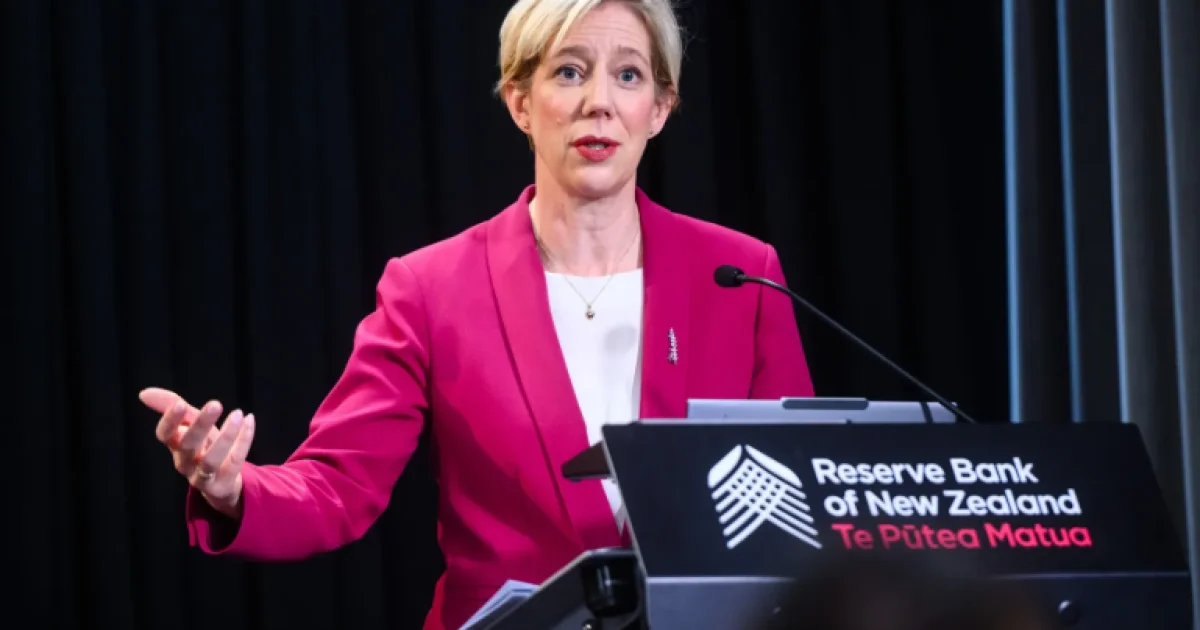
Heads up for NZD traders RBNZ Gov Breman to Speak Today
The Reserve Bank of New Zealand (RBNZ), under the guidance of Adrian Orr (assuming “Anna Breman” refers to leadership tone), is currently emphasizing a measured and forward-looking monetary policy approach. The central bank expects inflation to gradually move back toward its 2% midpoint target over the coming year, indicating confidence that current price pressures are not permanently embedded in the economy.
15 April 2026, 1:00pm to 2:00pm US Eastern time (1700 - 1800 GMT)
At the same time, the RBNZ is signaling that it will avoid overreacting to short-term inflation spikes, suggesting a preference for stability rather than aggressive policy tightening. This implies that temporary factors—such as supply shocks or energy price volatility—will not automatically trigger immediate rate hikes unless they begin to influence longer-term inflation expectations.
Geopolitical developments, particularly tensions in the Middle East, are seen as a key external risk. These tensions could lead to higher short-term inflation, mainly through energy and commodity prices, while simultaneously contributing to slower global and domestic growth momentum. This creates a complex policy environment where inflation risks and growth risks coexist.
Given these dynamics, the RBNZ’s interest rate outlook remains cautious. The central bank is unlikely to rush into further rate hikes unless there is clear evidence that inflation is becoming persistent or structurally higher. Instead, policymakers appear inclined to wait for more consistent data before adjusting the policy stance.
From a market perspective, this stance has direct implications for the New Zealand Dollar. A dovish tone, characterized by patience and reluctance to tighten policy aggressively, would likely lead to weakness in the NZD, as lower interest rate expectations reduce its attractiveness to investors. Conversely, any hawkish shift, particularly signals of future rate hikes due to persistent inflation, would support the currency and could result in NZD appreciation.
Overall, the RBNZ’s current communication suggests a balanced but slightly dovish bias, with policy decisions heavily dependent on incoming inflation data and global risk developments.



0 Comments